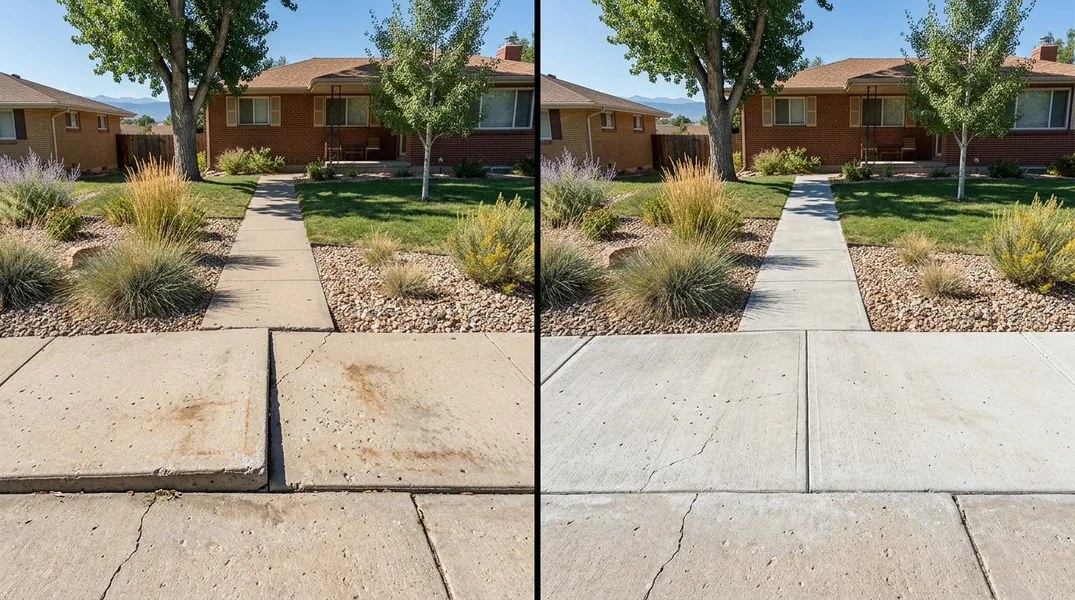
Understanding Expansive Clay Soil in Aurora
If you own a home or business in Aurora, you're likely familiar with the unique challenges that come with the region's geology. The Denver metropolitan area, including Aurora, sits atop some of the most problematic soil conditions in the United States: expansive clay. This type of soil contains minerals like montmorillonite that absorb water and expand significantly when wet, then shrink when dry. The constant cycle of expansion and contraction creates tremendous pressure on anything built on top of it, including your concrete driveway, patio, and foundation.
Expansive clay soil is particularly troublesome because homeowners often don't realize they have a problem until visible damage appears. Unlike sandy or rocky soil that remains relatively stable, clay soil can shift several inches over a season or two. When your concrete is anchored to this unstable base, the movement underneath translates directly into cracks, heaving, and displacement. The Colorado Geological Survey has documented this issue extensively across the Front Range, and it remains one of the leading causes of structural damage to residential and commercial properties in the region.
How Clay Heave Damages Your Concrete Driveway
Clay heave occurs when expansive soil pushes upward with enough force to lift concrete slabs. This isn't a gradual process that you can easily predict or prevent with standard installation methods. A Concrete Driveway that was perfectly level one year may develop a noticeable hump or buckle the next, especially after a wet season. The heaving can be severe enough to create a tripping hazard, damage vehicle suspensions, or make your garage door inoperable. In some cases, the pressure is so intense that it causes the concrete to crack and break apart rather than simply lift.
The problem is compounded by Aurora's freeze-thaw cycles. During winter, water trapped in the soil freezes and expands, adding additional upward pressure. When spring arrives and the soil thaws, it settles unevenly, leaving your concrete in a compromised position. This repeated cycle weakens the concrete structure and accelerates deterioration. Many homeowners assume their driveway damage is simply due to age or poor installation, when in fact it's the soil beneath that's the culprit. Understanding this distinction is crucial because it changes how you approach repairs and prevention.
Foundation Cracking and Structural Concerns
While Concrete Driveways often show damage first, expansive clay soil poses an even greater threat to your home's foundation. Foundation cracks caused by clay heave can compromise the structural integrity of your entire house. Unlike settlement cracks that typically appear in a staircase pattern, heave-related cracks are often more random and can appear on multiple walls simultaneously. These cracks allow water to infiltrate your basement or crawl space, leading to moisture problems, mold growth, and costly water damage.
The financial implications of foundation damage are severe. Repairing a compromised foundation can cost tens of thousands of dollars, whereas addressing concrete damage early is far more manageable. This is why it's essential to monitor your property for early warning signs. If you notice diagonal cracks in your drywall, doors and windows that no longer close properly, or visible movement in your foundation walls, contact a professional immediately. The sooner you identify and address clay heave issues, the better your chances of preventing catastrophic structural damage.
Freeze-Thaw Cycles and Winter Concrete Damage in Aurora
Colorado's climate is particularly harsh on concrete. Aurora experiences significant temperature swings, with winter days that might reach 40 degrees Fahrenheit followed by nights dropping below freezing. This freeze-thaw cycle is devastating to concrete, especially when combined with expansive clay soil. Water enters tiny pores and cracks in the concrete surface. When temperatures drop, that water freezes and expands, creating internal pressure that widens existing cracks and creates new ones. Over multiple winters, this process can reduce a solid concrete surface to a crumbling mess.
The damage accelerates when road salt or de-icing chemicals are applied to your driveway. These substances lower the freezing point of water, which seems helpful, but they actually increase the number of freeze-thaw cycles your concrete endures. The salt also draws moisture deeper into the concrete and can damage the rebar or wire mesh reinforcement inside. Protecting your concrete from these elements requires proper sealing, good drainage, and sometimes professional intervention. If you've noticed spalling (flaking or pitting) on your driveway surface or large chunks breaking away, freeze-thaw damage combined with clay heave is likely the cause.
Concrete Repair and Prevention Strategies
Concrete Repair & Resurfacing becomes necessary when expansive soil damage occurs, but prevention is always preferable to repair. When installing new concrete, proper site preparation is critical. This includes removing organic material, compacting the soil, and in many cases, installing a moisture barrier to prevent water from being absorbed into the clay below. Some contractors recommend installing a capillary break or using specially treated subbase materials that resist clay expansion. These preventive measures add to the initial installation cost but can save you thousands in repairs down the road.
For existing concrete that's already damaged, your options depend on the severity. Minor cracks can be sealed to prevent water infiltration. Moderate damage might require resurfacing or partial replacement of affected sections. Severe heaving or extensive cracking may necessitate complete removal and reinstallation with proper preventive measures. Aurora Concrete specializes in assessing clay heave damage and recommending the most cost-effective solution for your specific situation. We understand the local soil conditions and design our repairs to withstand the unique challenges of the region. Whether you need a simple repair or a complete driveway replacement, we can help you avoid repeating the same damage.
When to Call a Professional Near Me: Assessing Your Concrete
If you're concerned about expansive clay soil damage to your property, now is the time to get a professional assessment. Look for these warning signs: visible cracks in your driveway, foundation, or basement walls; uneven or heaving concrete surfaces; doors and windows that stick or don't close properly; or gaps between your foundation and the ground. Any of these indicators suggest that clay heave may be affecting your property. A qualified concrete contractor can evaluate your situation, identify the root cause, and recommend appropriate solutions.
Aurora Concrete offers free estimates for all concrete repair and installation projects in Aurora. Our team has years of experience dealing with expansive clay soil and knows exactly what to look for. We'll examine your property, discuss the underlying soil conditions, and explain your options in clear, straightforward terms. Whether you need emergency repairs to address immediate safety concerns or you're planning a new driveway installation, we're here to help. Call us at (720) 809-8595 or visit our website to request a free estimate today. Don't wait until minor damage becomes a major problem. The sooner you address clay heave issues, the more money you'll save in the long run.
Looking for a professional tree service in Aurora? Aurora Concrete responds fast for all your concrete needs.
Get a Free QuoteOur services: Concrete Driveways · Concrete Patios · Stamped & Decorative Concrete